

PandaVPN: Building a Stronger Digital Defense in a Hyper-Connected World
 Sharon
  2026.05.25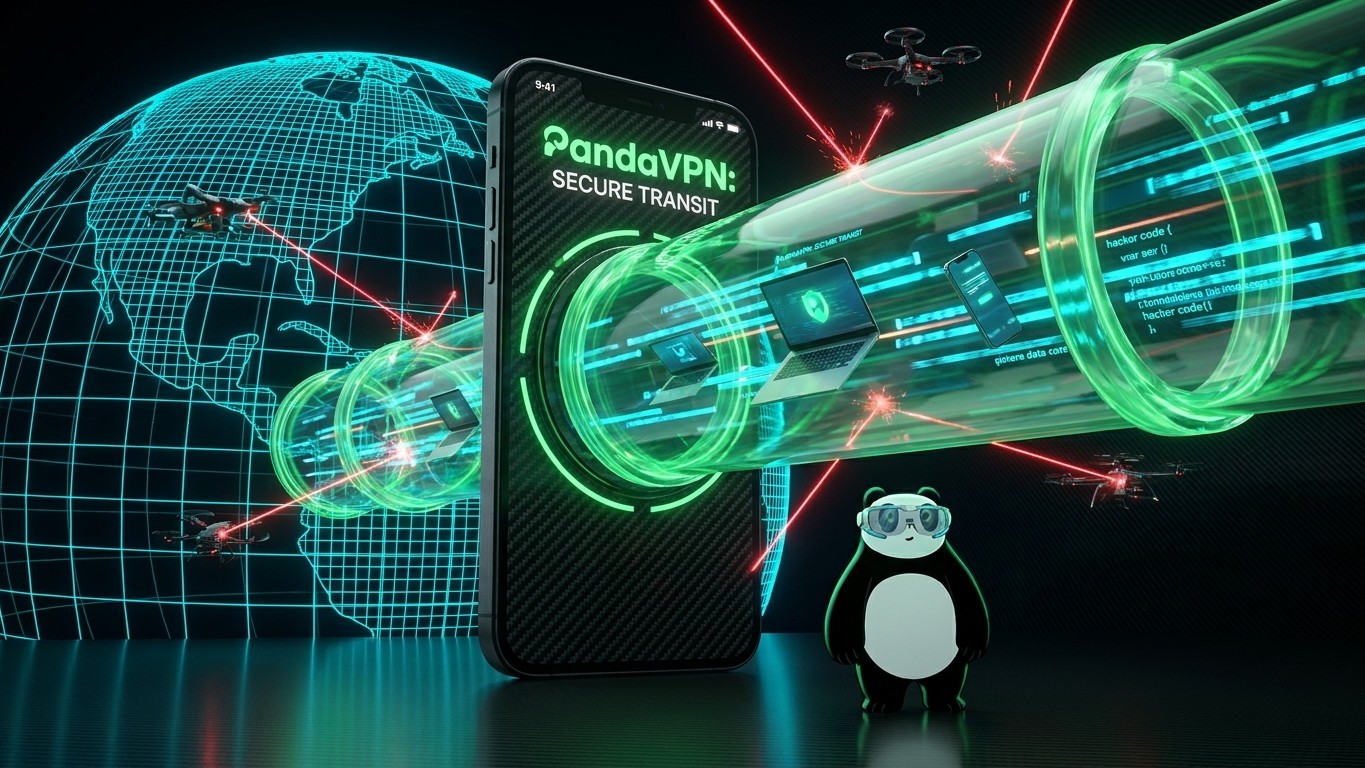
In 2026, personal data has become one of the most valuable—and most vulnerable—assets in the digital economy. From email credentials and banking details to location history and browsing behavior, nearly every online action leaves behind a trace.
Even if large corporations continue investing heavily in cybersecurity, breaches still happen. And when they do, individual users often bear the consequences long after the headlines disappear.
This reality has made one thing clear: cybersecurity is no longer optional. It requires a layered approach—your own defense-in-depth strategy—where PandaVPN plays a central role in protecting the most exposed part of your digital life: your data in transit.

Why Everyday Users Are Still at Risk
Many people assume cyberattacks only target governments or large enterprises. In reality, most breaches begin with simple, everyday vulnerabilities:
Public Wi-Fi networks in airports, cafés, and hotels can expose unencrypted traffic to interception. Weak or reused passwords allow attackers to access multiple accounts after a single leak. Internet Service Providers (ISPs) may still observe metadata such as DNS requests and connection patterns, depending on regional regulations and infrastructure.
At the same time, large-scale data leaks continue to circulate on underground marketplaces, where personal records are often bundled and resold within minutes of exposure.
The result is a digital environment where even ordinary online activity can carry risk.
PandaVPN: A Secure Layer Between You and the Internet
PandaVPN is designed to reduce exposure at the network level by securing how your data travels across the internet. Instead of relying solely on external protections, it gives users direct control over their connection security.
1. Advanced ECC-Based Encryption
PandaVPN uses modern elliptic curve cryptography (ECC) to establish encrypted tunnels between your device and remote servers. This ensures that data transmitted over networks—especially public or shared Wi-Fi—cannot be easily intercepted or read by third parties.
Even if traffic is captured, it remains encrypted and unreadable.
2. Strict No-Logs Architecture
Privacy is not only about encryption—it is also about data retention. PandaVPN follows a strict no-logs policy, meaning it does not store browsing history, connection timestamps, or identifiable user activity.
By minimizing stored data, PandaVPN reduces the risk of information being exposed, accessed, or misused.
3. Global High-Speed Infrastructure
Security should not slow you down. PandaVPN operates a large-scale global network with thousands of servers across multiple regions, optimized for stable, high-speed connectivity.
This infrastructure supports bandwidth-intensive activities such as streaming, video conferencing, and online gaming while maintaining encrypted protection.
4. Multi-Device Protection Across Platforms
Modern users operate across multiple devices simultaneously. PandaVPN is built for that reality, supporting major platforms including Windows, macOS, iOS, Android, Linux, and smart TV systems.
With a single account, users can protect multiple devices at once—ensuring consistent privacy across phones, laptops, and tablets.
Strengthening Your Personal Security Strategy
A VPN alone is not a complete cybersecurity solution, but it is a critical foundation. Combined with strong password practices and multi-factor authentication, it forms an essential layer of defense against common threats such as interception, tracking, and unsecured network exposure.
In practice, PandaVPN helps users:
- Secure data transmission on public and private networks
- Reduce exposure to passive network monitoring
- Improve anonymity by masking IP-based identification
- Maintain consistent privacy protection across devices
Take Control of Your Digital Safety
In a world where data breaches and surveillance risks continue to grow, waiting for incidents to happen is no longer a viable strategy.
PandaVPN provides a practical way to strengthen your privacy posture today—by securing the most vulnerable part of your online experience: your connection itself.
Your data travels every time you go online. The question is not whether it moves, but whether it moves safely.
With PandaVPN, it does.

Related Posts



Featured Posts